When Should a Property Manager Replace an HVAC System Instead of Repairing It?
When your air conditioner keeps running but your house still feels warm, it can be frustrating, especially during the hot and humid Florida summer. You may notice warm air coming from your vents, rooms that never reach the thermostat setting, or an AC system that runs for hours without making your home comfortable.
Several problems can cause an air conditioner to run without cooling properly. A dirty air filter, incorrect thermostat settings, restricted airflow, dirty coils, low refrigerant, or a malfunctioning component may be responsible. Some issues are simple to check, while others require professional diagnosis.
If your AC is not keeping your home comfortable, Cool Edge AC provides air conditioning repair in Land O’ Lakes, FL, and surrounding Tampa Bay communities. Here are the common causes to consider and the steps you can take before scheduling a service appointment.
Common Reasons Your AC Is Running but Not Cooling
Your air conditioner needs proper airflow, sufficient refrigerant, clean heat-transfer surfaces, and functioning electrical and mechanical components to remove heat from your home. If any part of this process is disrupted, the system may continue operating without providing enough cooling.
1. A Dirty or Clogged Air Filter
A clogged air filter is one of the first things to check when your AC is running but not cooling. Dust and debris can restrict airflow through the system, making it harder for the equipment to circulate conditioned air throughout your home.
Restricted airflow may lead to weak airflow from the vents, longer cooling cycles, uneven temperatures, and even a frozen indoor evaporator coil.
What you can do: Turn off the system if necessary and inspect the air filter according to the manufacturer’s instructions. Replace a disposable filter or clean a reusable one as directed. Always use the correct filter size and type for your equipment.
If airflow remains weak after replacing a dirty filter, another issue may be affecting the blower, evaporator coil, or ductwork.
2. Incorrect Thermostat Settings
Sometimes, the problem starts with the thermostat rather than the air conditioner itself. Incorrect settings, depleted batteries in compatible thermostats, or a thermostat that is not reading the temperature correctly can interfere with cooling.
Check the following settings:
-
Make sure the thermostat is set to Cool rather than Heat or Fan Only.
-
Set the target temperature below the current indoor temperature.
-
Check whether a schedule or energy-saving setting is changing the temperature automatically.
-
If your thermostat uses batteries, check whether they need replacing.
Allow some time for the system to respond after correcting the settings. If the house remains warm, the problem may require further investigation.
3. Low Refrigerant or a Refrigerant Leak
Refrigerant absorbs heat from indoor air and helps transfer that heat outside. If the system has insufficient refrigerant because of a leak or an incorrect charge, it may struggle to cool your home.
Possible warning signs include warm air from the vents, longer cooling cycles, ice on refrigerant lines or the indoor coil, and unusual hissing sounds. These symptoms can have other causes, so they do not confirm a refrigerant problem on their own.
What you should do: Contact a qualified HVAC technician to inspect the system, identify any leak, and determine the correct repair. Refrigerant is not something homeowners should attempt to handle themselves. Simply adding refrigerant without addressing an existing leak may not solve the problem.
4. A Dirty Outdoor Condenser Unit
Your outdoor AC unit releases heat removed from inside your house. When leaves, grass clippings, dirt, or other debris restrict airflow around the condenser, the system may have difficulty releasing heat efficiently.
Look at the outdoor unit from a safe distance. Check whether vegetation or stored items are blocking the surrounding area. Keep the manufacturer’s recommended clearance around the equipment.
Remove loose debris from the surrounding area only when it is safe to do so. Do not open the electrical compartment, remove equipment panels, or attempt to clean internal components while the unit is operating.
If the outdoor fan is not running, the unit is making unusual noises, or the system is still not cooling, professional inspection may be necessary.
5. Frozen Evaporator Coils
An air conditioner can develop ice on its indoor evaporator coil when airflow is restricted or the refrigeration system is not operating correctly. Although ice may seem like a sign of excessive cooling, a frozen coil can actually prevent the system from cooling your house effectively.
You might notice:
-
Very little air coming from the vents.
-
Ice on the indoor unit or refrigerant lines.
-
Water near the indoor equipment as ice melts.
-
An AC system that runs but does not lower the indoor temperature.
If you suspect a frozen coil, turn off cooling and arrange a professional inspection. Do not chip away ice or use sharp tools to remove it. The system needs to thaw, and the underlying cause must be identified before normal operation resumes.
6. Blocked or Leaking Air Ducts
Your air conditioner may produce cool air without distributing it properly throughout the house. Damaged, disconnected, leaking, or restricted ductwork can reduce the amount of conditioned air reaching your rooms.
This problem may be more noticeable when one bedroom feels comfortable while another stays warm. You might also notice weak airflow from certain vents, excessive dust, or unusual temperature differences between floors.
Check that supply and return vents are not blocked by furniture, curtains, or other household items. If the problem continues, a technician can assess airflow and determine whether the ductwork needs inspection or repair.
7. A Faulty Capacitor, Fan Motor, or Other Component
An air conditioning system contains several components that must work together to cool your home. A failed capacitor, malfunctioning fan motor, electrical problem, or compressor issue can prevent the system from operating correctly.
For example, the indoor blower may circulate air while the outdoor unit fails to remove heat. In other cases, the outdoor fan may run while the compressor is not operating as it should.
These problems require proper testing to identify the cause. Avoid opening electrical panels or attempting repairs yourself because AC equipment can contain dangerous electrical components even when the system appears to be off.
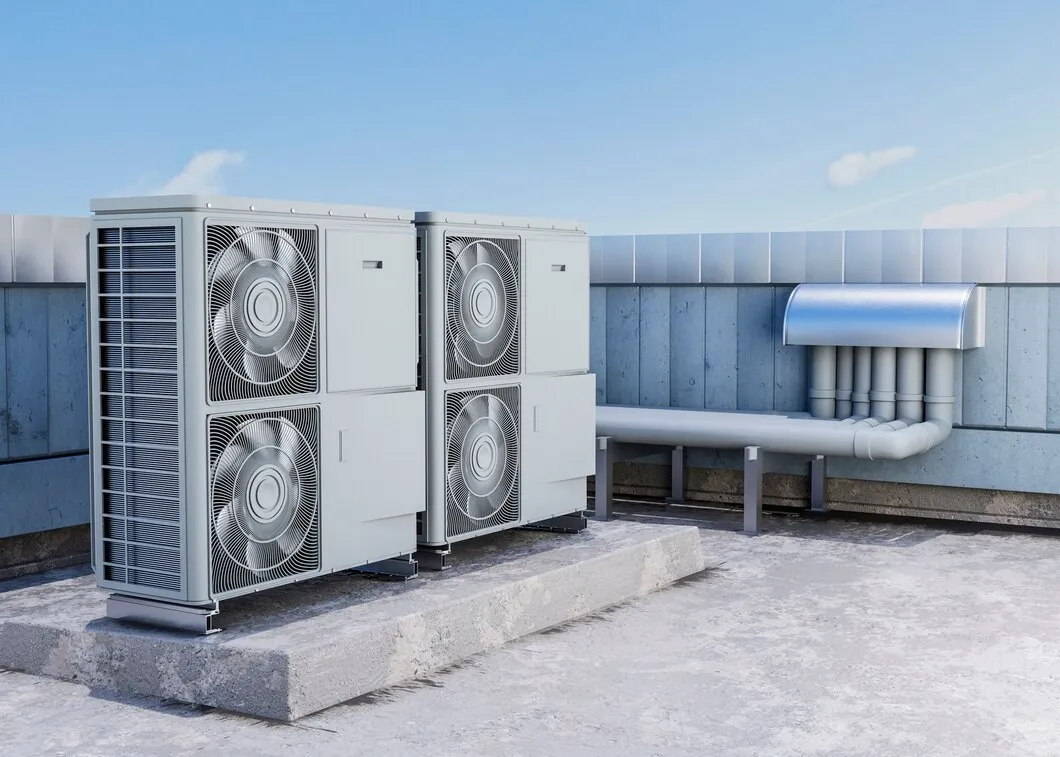
Proper system selection and installation are essential for achieving dependable performance.
How Property Managers Can Compare Repair and Replacement Costs
A useful comparison includes both immediate expenses and longer-term operating costs.
|
Factor |
Repair may be appropriate when |
Replacement may be worth considering when |
|---|---|---|
|
Equipment age |
The system has substantial useful life remaining |
The system is older and showing significant deterioration |
|
Repair history |
Problems are isolated and infrequent |
Breakdowns are frequent or recurring |
|
Repair cost |
The repair is affordable and addresses the cause |
Major repairs are costly relative to replacement |
|
Energy use |
Performance remains reasonable |
Efficiency is poor despite appropriate maintenance |
|
Comfort |
The system meets the property’s needs |
Persistent performance problems remain unresolved |
|
Parts availability |
Components are readily available |
Essential parts are difficult to obtain |
|
Long-term planning |
Future maintenance costs appear manageable |
Replacement offers a more practical long-term investment |
Property managers should also account for installation expenses, expected operating costs, available warranties, financing terms if offered, and the potential impact of downtime on tenants.
Why Professional HVAC Assessment Matters
Replacing an HVAC system is a significant investment, so the decision should be based on a clear understanding of the equipment’s condition.
A professional assessment can help determine whether the problem comes from a failing component, restricted airflow, refrigerant issues, ductwork problems, or a system that no longer suits the building.
Property managers should request a written estimate that explains the recommended work and, when appropriate, provides separate repair and replacement options.
For replacement proposals, useful details include equipment specifications, efficiency ratings, installation requirements, warranty terms, and expected maintenance needs. Comparing these details makes it easier to evaluate proposals on more than the initial price.
How to Plan HVAC Replacement Across Multiple Properties
Property managers overseeing several buildings can reduce unexpected expenses by tracking equipment age, repair history, maintenance dates, and recurring tenant complaints.
A basic asset register can help identify systems that may need closer attention or replacement in the next budget cycle.
Consider these practical steps:
-
Maintain an inventory of HVAC equipment at each property.
-
Record the age, model, and service history of each system.
-
Track repair expenses and recurring faults.
-
Schedule preventive maintenance according to equipment requirements.
-
Identify high-risk systems before the hottest months.
-
Budget for replacements rather than relying entirely on emergency spending.
-
Coordinate installation schedules to minimize disruption to tenants.
A planned replacement strategy can make capital spending more predictable and help property managers prioritize systems with the greatest reliability or comfort concerns.
Make an Informed HVAC Decision for Your Property
Repairing an HVAC system may be the right choice when the problem is isolated and the equipment remains reliable. Replacement deserves serious consideration when an older system experiences repeated breakdowns, requires expensive repairs, consumes excessive energy, or cannot maintain comfortable indoor temperatures despite appropriate maintenance.
For property managers in Land O’ Lakes and the surrounding Tampa Bay area, Cool Edge AC provides HVAC services for commercial customers. A professional evaluation can help clarify the condition of an existing system and identify practical options for restoring reliable heating and cooling.
Before committing to a major repair or replacement, compare the equipment’s condition, repair history, expected operating costs, and long-term needs. A well-informed decision can help protect your maintenance budget, reduce avoidable disruptions, and support a comfortable environment for tenants and occupants.
HVAC Financing Options New Port Richey Florida